Color Psychology in Branding: How Colors Influence Consumer Perception and Brand Identity
Introduction
Have you ever wondered why some brands instantly capture your attention while others fade into the background? One of the most powerful factors behind successful branding is color psychology. Colors evoke emotions, shape perceptions, and influence purchasing decisions, often without consumers realizing it.
From the iconic red of Coca-Cola to the trusted blue of Facebook and LinkedIn, brands carefully select colors to communicate their values and connect with their target audiences. Whether you're building a startup, redesigning your website, or working with a top digital marketing expert in Kochi, understanding color psychology can significantly improve your branding strategy.
In this comprehensive guide, we'll explore how colors affect consumer behavior, strengthen brand identity, and contribute to long-term business success.
What is Color Psychology?
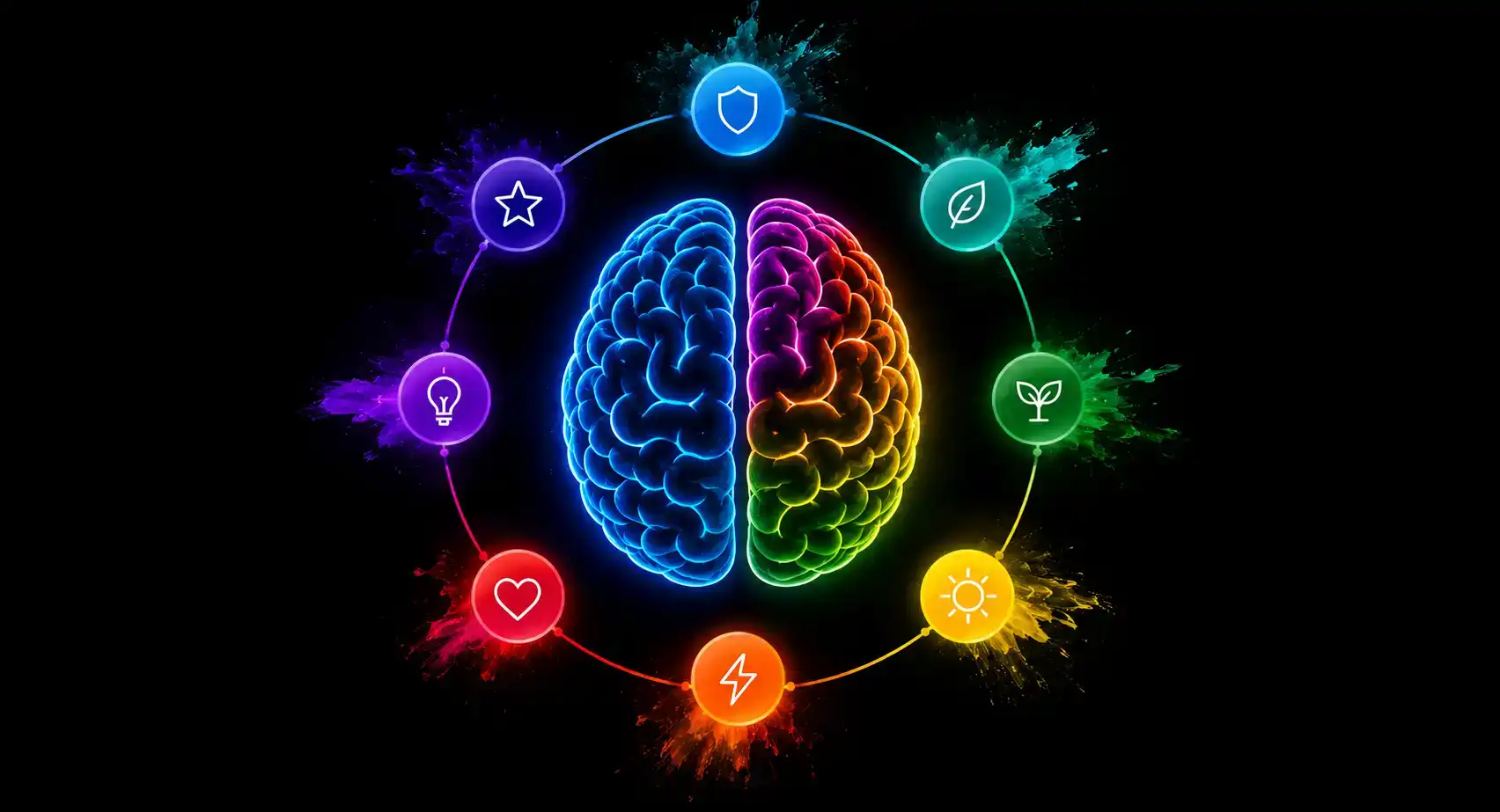
Color psychology is the study of how colors influence human emotions, behaviors, and decision-making processes. Different colors trigger different emotional responses, making them a critical component of branding and marketing.
Research shows that consumers often make subconscious judgments about a brand within seconds, and color plays a major role in those first impressions.
In branding, colors help communicate:
- Brand personality
- Company values
- Product positioning
- Emotional appeal
- Market differentiation
Choosing the right color palette can strengthen brand recognition and build stronger connections with customers.
Why Color Matters in Branding
Color is often the first element consumers notice when interacting with a brand.
Effective color choices can:
- Increase brand recognition
- Influence purchasing decisions
- Improve customer trust
- Create emotional connections
- Differentiate from competitors
A consistent color strategy across websites, social media, packaging, and advertising helps establish a memorable and recognizable brand identity.
Understanding the Psychology of Popular Brand Colors
Red: Energy, Passion, and Excitement
Red is a powerful and attention-grabbing color.
It is commonly associated with:
- Passion
- Urgency
- Energy
- Action
- Confidence
Brands often use red to stimulate excitement and encourage immediate action.
Ideal for:
- Food brands
- Entertainment companies
- Retail promotions
- Sports brands
Blue: Trust, Security, and Professionalism
Blue is one of the most widely used colors in branding.
It represents:
- Trust
- Reliability
- Intelligence
- Stability
- Professionalism
Many technology, healthcare, and financial institutions use blue to establish credibility and trust.
Ideal for:
- Technology companies
- Banks
- Healthcare providers
- Professional services
Green: Growth, Health, and Sustainability
Green symbolizes nature and balance.
Common associations include:
- Health
- Sustainability
- Wealth
- Freshness
- Harmony
Green is particularly effective for brands focused on wellness, environmental responsibility, and organic products.
Ideal for:
- Health brands
- Eco-friendly businesses
- Agriculture companies
- Wellness centers
Yellow: Optimism and Creativity
Yellow is often associated with happiness and positivity.
It communicates:
- Optimism
- Creativity
- Warmth
- Youthfulness
- Innovation
Brands use yellow to create a cheerful and welcoming image.
Ideal for:
- Children's brands
- Creative agencies
- Lifestyle products
- Travel companies
Orange: Enthusiasm and Affordability
Orange combines the energy of red with the friendliness of yellow.
It is often linked to:
- Adventure
- Confidence
- Affordability
- Innovation
- Friendliness
Many brands use orange to create a sense of enthusiasm and approachability.
Ideal for:
- Startups
- E-commerce brands
- Fitness companies
- Technology products
Black: Luxury and Sophistication
Black conveys elegance and exclusivity.
Common perceptions include:
- Luxury
- Power
- Authority
- Sophistication
- Modernity
Premium brands frequently use black to reinforce exclusivity and high value.
Ideal for:
- Luxury products
- Fashion brands
- Premium services
- High-end technology
Purple: Creativity and Innovation
Purple has historically been associated with royalty and prestige.
It often represents:
- Creativity
- Imagination
- Wisdom
- Luxury
- Innovation
Purple works well for brands seeking to appear unique and forward-thinking.
Ideal for:
- Beauty brands
- Educational institutions
- Creative services
- Technology startups
How Color Influences Consumer Buying Decisions
Consumers often make purchasing decisions based on emotional responses rather than purely logical reasoning.
Colors can:
- Encourage trust
- Create urgency
- Influence perceived value
- Improve product appeal
- Strengthen emotional engagement
For example:
- Red can stimulate impulse purchases.
- Blue can increase trust in online transactions.
- Green can reinforce healthy lifestyle choices.
- Black can justify premium pricing.
Businesses that understand these psychological triggers can create more effective marketing campaigns and brand experiences.
Choosing the Right Color for Your Brand
Understand Your Target Audience
Different demographics respond differently to colors.
Consider factors such as:
- Age
- Gender
- Culture
- Interests
- Buying behavior
Understanding your audience helps ensure that your color choices resonate effectively.
Align Colors with Brand Personality
Ask yourself:
- Is your brand innovative or traditional?
- Premium or affordable?
- Energetic or calm?
- Fun or professional?
Your color palette should reflect your overall brand identity.
Analyze Competitors
Studying competitors can reveal opportunities to stand out.
If most competitors use blue, adopting a unique but relevant color palette may improve brand differentiation and visibility.
The Role of Color in Digital Marketing
Color psychology extends beyond logos and packaging.
It also impacts:
- Website design
- Landing pages
- Social media graphics
- Email marketing
- Online advertisements
Strategic color use can improve:
- Click-through rates
- Conversion rates
- User engagement
- Brand recall
Many businesses work with a top digital marketing expert in Kochi to develop color strategies that align with broader digital marketing objectives.
Common Color Psychology Mistakes
Following Trends Without Strategy
Trendy colors may not align with your brand values or target audience.
Always prioritize brand consistency over short-term design trends.
Using Too Many Colors
An overly complex color palette can confuse consumers and weaken brand recognition.
Most successful brands rely on:
- One primary color
- One or two secondary colors
- Neutral supporting colors
Ignoring Cultural Meanings
Colors can have different meanings across cultures.
When targeting international audiences, research cultural associations before finalizing brand colors.
Color Psychology and Brand Recognition
Consistent color usage helps consumers instantly recognize your brand.
Benefits include:
- Stronger brand recall
- Increased customer trust
- Improved marketing effectiveness
- Enhanced visual consistency
Some studies suggest that consistent color application can significantly improve brand recognition across multiple channels.
Recommended Resources
Learn more about branding, marketing, and digital growth:
- Cloudex369 IT Solutions
- Adobe Color
- Coolors Color Palette Generator
- Canva Brand Kit Guide
- Google Digital Marketing Resources
Conclusion
Color psychology is one of the most influential elements of branding. The colors you choose can shape customer perceptions, influence purchasing decisions, and strengthen your brand identity for years to come.
By understanding the emotional impact of colors and aligning them with your brand values, you can create a memorable and effective visual identity that resonates with your target audience.
Whether you're launching a new business, refreshing your brand, or consulting with a top digital marketing expert in Kochi, leveraging color psychology can provide a significant competitive advantage in today's crowded digital marketplace.